Science How Tos
|
|
|
|
|
|
|
The Bernoulli Effect
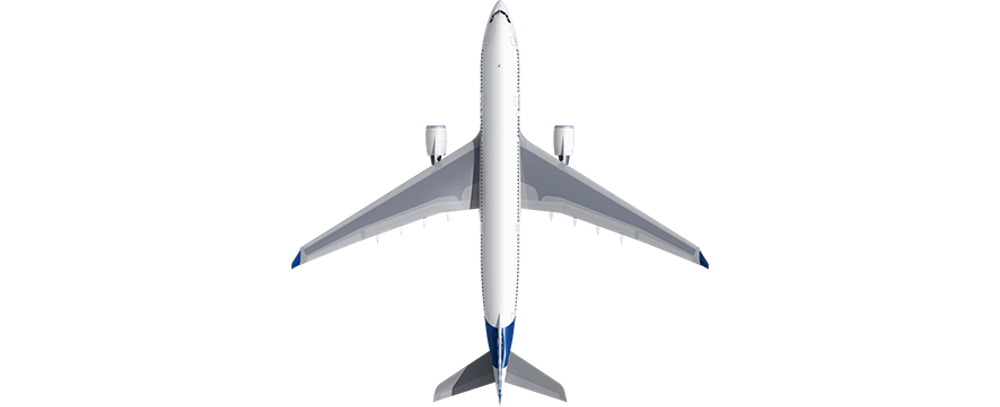
Can humans fly? Yes, but only with the aid of aviation-inspired engineering, i.e. with aeroplane* (or a helicopter, hot air balloon ). However, where did the inspiration come from? Often humans take inspiration from nature itself. How does it work?A top down view of an aeroplane essentially looks like this, very similar to an eagle's wing which is shown alongside it.
If we were to take one of the wings and cut along a midpoint like so:
If we were to look at the cut intersection of a wing we get what is known as an aerofoil* shape:
As wind or airflow passes from the wide end towards the narrow end, This concept where this effect is applied to an aerofoil wing shape is known as Given the difference between a scientist and an engineer, The concept of the aerofoil wing shape is also used in propeller blades, and upside down on tail boards on a car Footnote
|